How do you build a resilient lawn in the Metro East?
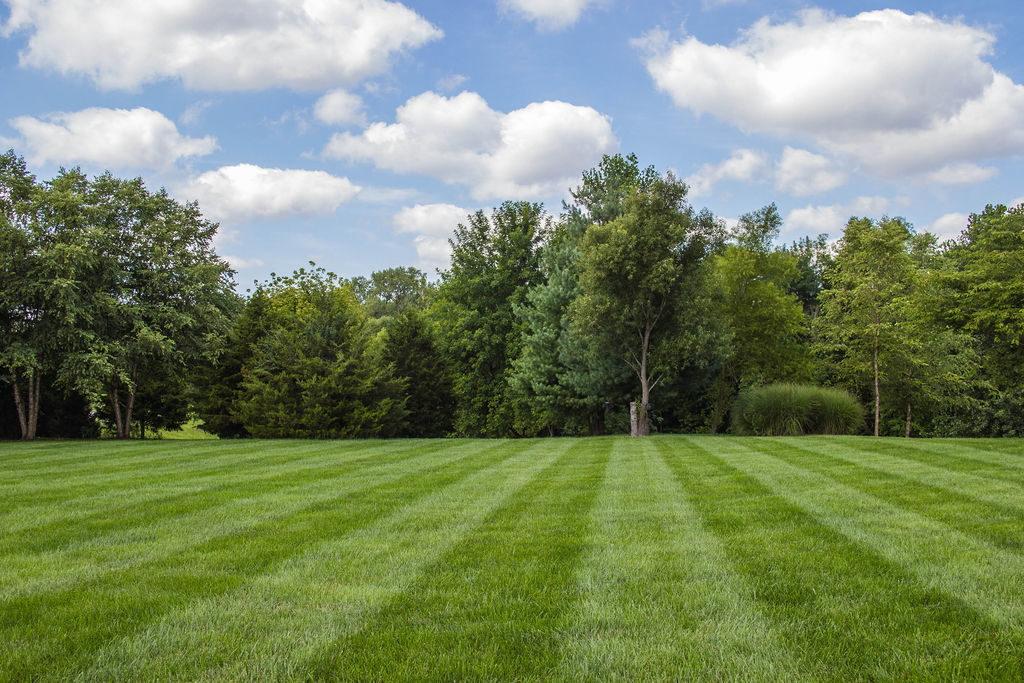
Metro East families can build a resilient, stress-tolerant lawn by focusing on long-term soil health rather than temporary chemical fixes. Cultivating deep root systems allows grass to withstand extreme heat, heavy foot traffic, and sudden droughts. Homeowners achieve this robust health by integrating three essential cultural practices: annual core aeration, strategic overseeding with heat-resistant turf varieties, and precision seasonal fertilization. Consequently, these practices naturally maximize water efficiency, crowd out invasive weeds, reduce reliance on synthetic applications, and transform your yard into a safe, sustainable outdoor living space for children and pets.
How does compacted clay soil damage Metro East lawns?
Compacted clay soil actively suffocates Metro East lawns. Over time, daily foot traffic, backyard play, and heavy lawnmowers pack the regional clay down into a dense, solid layer. This tight compression eliminates the vital air pockets within the earth, blocking moisture from filtering down. Consequently, your grass roots cannot breathe, absorb hydration, or expand deeply into the ground.
Consequently, shallow roots make your turf highly vulnerable to summer heat waves and dry spells. Water cannot penetrate the hard surface, which triggers wasteful runoff and spikes your water bill. Breaking up this dense layer is the first critical step toward true lawn health.
How does core aeration transform your soil health?
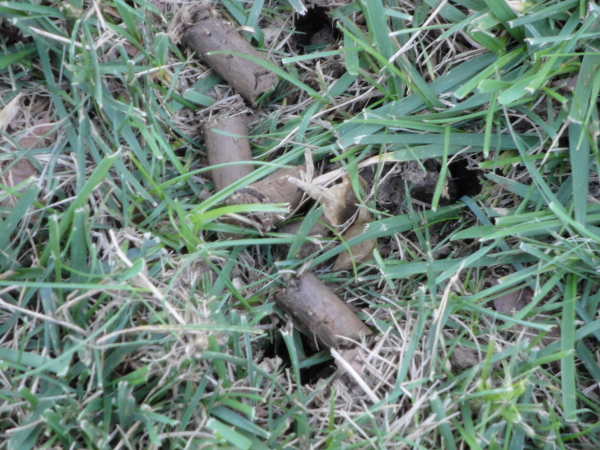
Core aeration physically removes small plugs of soil and thatch from your yard. This process instantly opens vital pathways directly to the root zone. Air, water, and rich nutrients immediately flow down into these newly created open channels.
Therefore, the surrounding soil relaxes and expands into the open space. Your grass roots respond rapidly by growing deeper and thicker into the earth. Deeper roots access deep underground water reserves, which automatically boosts natural drought tolerance during dry Illinois summers.
Why is overseeding essential for a thick lawn?
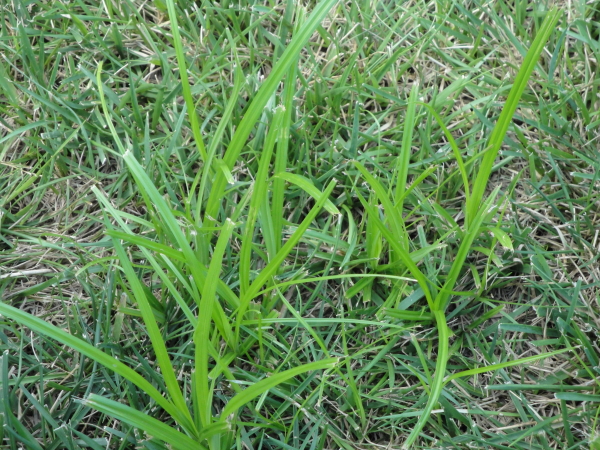
Lawns naturally thin out as grass plants age and experience environmental stress. Bare or thinning patches provide the perfect invitation for aggressive weeds like crabgrass and dandelions to take over. Overseeding introduces fresh, genetically superior grass seeds directly into your existing turf without tearing up the yard.
Most importantly, planting newer turf varieties introduces better resistance to local pests, diseases, and heat waves. A dense canopy of grass naturally shades the soil surface. This natural shading blocks sunlight from reaching weed seeds and locks vital moisture into the ground.
How do aeration and overseeding work together?
Aeration and overseeding form the ultimate partnership for a lush, resilient yard. Performing overseeding immediately after core aeration yields the highest success rate. The holes created by aeration provide the perfect protective environment for new seeds to germinate.
- Optimal seed-to-soil contact: Seeds fall directly into the open holes where they make direct contact with loose soil.
- Protection from elements: The deep holes shield vulnerable seeds from scorching sun, wind, and hungry birds.
- Direct nutrient access: Developing roots immediately access loose, aerated soil rich in oxygen and moisture.
What makes smarter fertilization different from standard applications?
Smarter fertilization focuses entirely on feeding the soil biology rather than just forcing temporary green growth. Many standard chemical applications overstimulate the top growth of the grass. This rapid top growth looks good initially but leaves the root system weak and chemically dependent.
In contrast, an authoritative nutrition plan uses slow-release, nutrient-rich fertilizers tailored to local soil chemistry. These components release nutrients gradually over several weeks. Consequently, the grass builds balanced strength above and below the surface without polluting the local groundwater.
How do healthy lawns reduce chemical dependence?
A healthy, deeply rooted lawn naturally defends itself against common threats. When you prioritize soil health, your grass grows thick enough to choke out invading weeds completely. Therefore, you drastically minimize the need for heavy chemical weed killers over time.
Furthermore, balanced nutrition builds thick cell walls within the grass blades. These stronger blades resist common fungal diseases and insect damage naturally. Your lawn transitions from a high-maintenance yard dependent on constant chemical rescues into a self-sustaining ecosystem.
Key Takeaways: Resilient Lawns for Metro East Families
- Loosen the foundation: Annual core aeration relieves severe clay soil compaction to allow roots to grow deeper.
- Fill the gaps: Strategic overseeding crowds out weeds naturally and introduces heat-tolerant grass varieties.
- Feed the roots: Smart fertilization uses tailored, slow-release nutrients to build long-term biological soil strength.
- Save vital resources: Deep root systems maximize natural water efficiency and reduce overall chemical reliance.