When is the Best Time to Aerate Your Lawn?
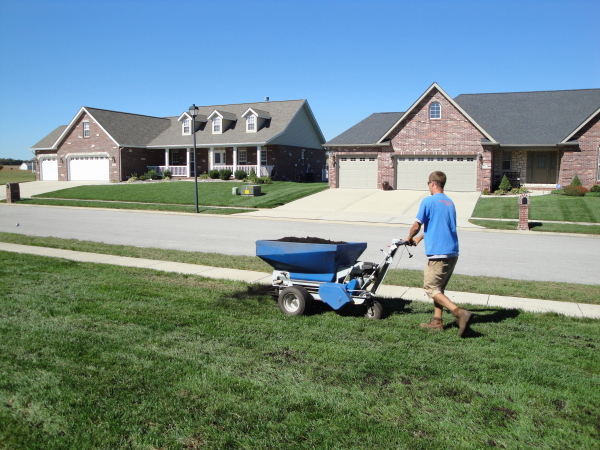
The best time to aerate your lawn depends on your specific grass type and its active growth cycle. Cool-season grasses like tall fescue and Kentucky bluegrass thrive best when aerated during the fall, though spring is a secondary option. Conversely, warm-season grasses such as zoysia and bermudagrass perform best when aerated during early summer. Aerating while turf actively grows allows roots to recover quickly, loosen compacted soil, and maximize nutrient absorption for long-term health.
How Does Grass Type Influence Aeration Timing?
Your lawn's grass type determines the exact season you should pull core plugs from the soil. Local lawns generally fall into two categories: cool-season and warm-season varieties.
When Should You Aerate Cool-Season Grasses?
You should aerate cool-season grasses during the fall or early spring when temperatures remain mild. Common varieties like tall fescue and Kentucky bluegrass experience their strongest growth pushes during cooler weather. Fall aeration provides the ideal window because root growth surges before winter dormancy.
When Should You Aerate Warm-Season Grasses?
You should aerate warm-season grasses in early summer when soil temperatures rise consistently. Turf varieties like zoysia and bermudagrass reach peak growth during hot summer months. Aerating during this surge helps the lawn heal rapidly and fill in open plug holes.
Why is Fall Superior to Spring for Cool-Season Aeration?
Fall is superior to spring because it avoids disrupting pre-emergent weed barriers and optimizes seed germination.
Does Spring Aeration Harm Pre-Emergent Weed Control?
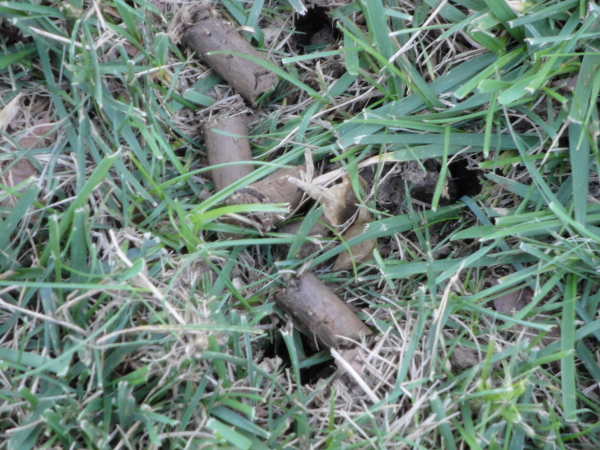
Yes, spring aeration can break the chemical barrier created by pre-emergent weed fertilizers. Pre-emergents stop crabgrass seeds from sprouting in early spring. Pulling soil cores punches thousands of holes in this protective layer, allowing weeds to break through.
How Does Fall Aeration Enhance Overseeding Results?
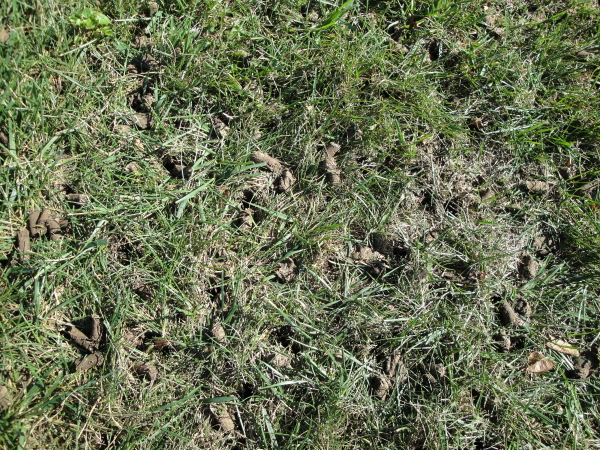
Fall aeration enhances overseeding by creating direct seed-to-soil contact across your yard. Turf seed needs firm soil contact to germinate successfully. Furthermore, aerating in autumn loosens tight soil right before winter freeze and thaw cycles, setting up aggressive root growth come spring.
What Key Benefits Does Annual Aeration Provide?
- Match timing to grass type: Aerate cool-season grasses in fall or spring, and warm-season grasses in early summer.
- Fall is optimal for cool-season lawns: Autumn aeration avoids breaking spring crabgrass barriers and maximizes overseeding germination.
- Aeration relieves soil compaction: Annual core pulling allows oxygen, water, and essential nutrients to reach root zones effectively.
- Stronger roots build heat resistance: Regular aeration stimulates deeper root systems, increasing your lawn's overall drought tolerance.
Key Takeaways: Spring, Summer or Fall Aeration
- Match timing to grass type: Aerate cool-season grasses in fall or spring, and warm-season grasses in early summer.
- Fall is optimal for cool-season lawns: Autumn aeration avoids breaking spring crabgrass barriers and maximizes overseeding germination.
- Aeration relieves soil compaction: Annual core pulling allows oxygen, water, and essential nutrients to reach root zones effectively.
- Stronger roots build heat resistance: Regular aeration stimulates deeper root systems, increasing your lawn's overall drought tolerance.