
What is grub damage and how does it ruin your lawn?
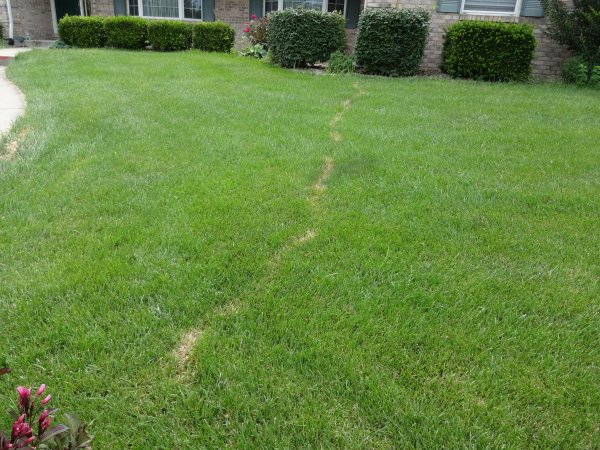
Grub damage occurs when beetle larvae eat the root systems of healthy turfgrass, destroying your lawn from the inside out. Because these subterranean pests feed completely out of sight, homeowners rarely notice a problem until large patches of grass turn brown and die. The damaged turf easily detaches from the soil and pulls up exactly like a loose piece of carpet. Fortunately, implementing an annual preventative treatment protects your roots, prevents severe lawn destruction, and saves you from paying for expensive curative lawn repairs and sod replacement.
What are lawn grubs and what is their life cycle?
White grubs are the soft-bodied, C-shaped larvae of various beetle species. These pests go through a distinct seasonal cycle that dictates exactly when they cause the most harm to your yard.
When do beetles emerge from the ground?
Adult beetles emerge from the ground in early June to mate and lay their eggs in the soil. This airborne stage does not destroy your grass roots, but it sets the stage for the destructive generation to come.
When do grubs return to the soil to start feeding?
The newly hatched larvae tunnel down into the soil around August. Consequently, they immediately begin aggressively eating the root system of your turf to prepare for winter hibernation.
Why do well-kept lawns attract more grubs?
Unfortunately, the better you maintain your lawn, the more enticing it becomes to egg-laying beetles. Lush, well-watered, and highly fertilized lawns provide the perfect moist environment for survival, meaning your hard work could accidentally draw them in.
What are the visible signs of grub damage?
Recognizing the symptoms of an infestation early can save your property from total devastation. Most importantly, you must watch for structural changes in how the grass handles physical stress.
Why does your grass turn brown and die?
Your turf dies because the eaten root system can no longer absorb vital nutrients and water from the soil. Therefore, patches of discolored, yellowing, or thinning grass serve as the first major warning sign that subterranean damage is actively happening.
What does it mean if your turf pulls up easily?
A lawn that pulls out of the ground with zero resistance indicates that grubs have already severed the root anchors completely. When this happens, the damage is unfortunately already done, and simple watering will not save the dead grass.
How does wildlife activity signal a grub infestation?
An unexpected increase in wild animals tearing up your yard often points directly to a massive insect problem underneath the surface. These creatures are simply hunting for an easy, high-protein meal.
Which animals dig up lawns to eat grubs?
Birds, raccoons, armadillos, mice, and moles will frequently dig, scratch, and tunnel through your yard. These predators feed heavily on grubs, earthworms, and other soil-dwelling insects during the late summer and autumn months.
Will a grub control application get rid of these animals?
No, a standard grub control application will not automatically keep these wild animals completely out of your yard. Because grubs represent only a tiny portion of their diverse food source, these animals will stay as long as they find other earthworms or insects to eat.
How do you prevent and cure grub damage?
Managing these underground pests requires a strategic timeline and the right lawn care products. Choosing the right strategy saves you time, energy, and money.
When should you apply preventative treatments?
You should apply a preventative granule or pellet treatment during early June and throughout July. Most importantly, this preventative application only becomes effective once it has been thoroughly watered into the grass so it can break down into the soil.
How do you repair a lawn after severe grub destruction?
You must actively plant new grass seeds or install brand-new sod to completely replace the dead, rootless patches. Consequently, ignoring the dead areas will leave your lawn looking patchy and open to aggressive weed invasions.
Key Takeaways: Grub Damage
- Hidden Destruction: Lawn grubs eat the root system from out of sight, making the initial damage highly difficult to spot.
- Lush Lawn Target: Healthy, well-watered lawns are highly attractive to egg-laying beetles in June and July.
- Wildlife Indicators: Raccoons, moles, and birds digging in your yard strongly point to a subterranean pest infestation.
- Timing is Everything: Preventative applications work best in June and July, while expensive curative options are reserved for late summer failures.
- Restoration Needed: Damaged grass loses its roots entirely and must be replaced via seeding or professional sod installation.