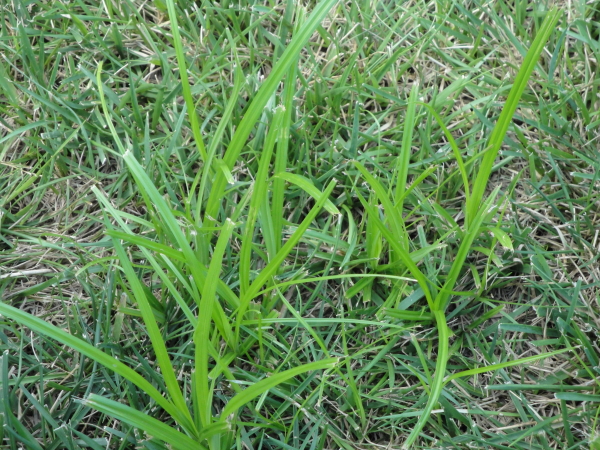
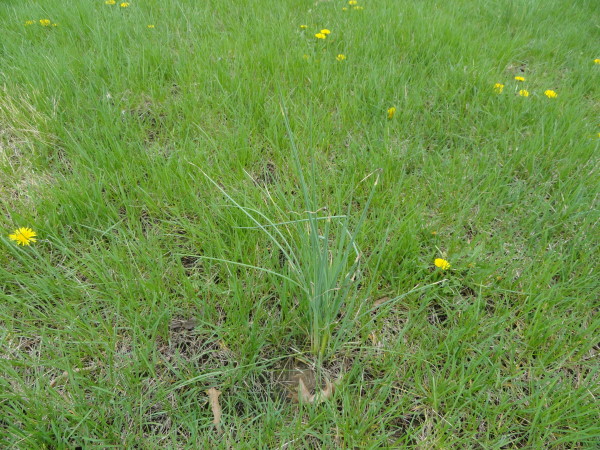
What Is This Smelly Weed and Why Is It Growing in Your Yard?
Wild onion grass is a cool-season perennial weed that sprouts from underground bulbs in late fall or early spring, filling the air with a strong onion smell when mowed. It thrives in thin lawns with overly acidic, nutrient-deficient soil. Because its underground bulbs store nutrients through the winter, this stubborn pest returns every year like clockwork. Controlling wild onion grass requires a long-term approach combining targeted broadleaf herbicides, proper mowing heights, regular core aeration, overseeding, and soil pH balancing to eliminate the weed without harming your turf.
How Can You Easily Identify Wild Onion Grass in Your Turf?
You can identify this grass by its thin, waxy, tubelike leaves that grow faster and taller than regular lawn grass during cool weather. When you step on or mow over these bright green stems, they release a pungent, unmistakable onion aroma. Underneath the soil, the plant relies on a main bulb surrounded by smaller offset bulblets. Consequently, these bulbs allow the weed to survive cold winter temperatures and spread rapidly across thin turf.
Why Do These Weeds Keep Returning Every Spring?
Wild onion grass keeps returning because its underground bulbs store vital energy reserves throughout the cold winter months. Similar to spring tulips, these underground structures protect the plant from freezing temperatures. In early spring, the bulb uses its stored energy to shoot up new growth before your lawn fully wakes up. Therefore, simply cutting the top growth will never kill the weed.
How Do You Safely Eliminate It From Your Yard?
You safely eliminate wild onion grass by combining selective post-emergent herbicides with healthy lawn maintenance habits. Because the waxy coating on onion grass leaves repels liquids, you should apply broadleaf herbicide treatments when the weed is actively growing in spring or fall. Furthermore, maintaining high mowing levels helps shade out emerging shoots. Over time, consistent treatment starves the underground bulbs.
Should You Ever Dig UP the Bulbs?
You should only dig up wild onion grass bulbs as a last resort during a complete lawn renovation. If you choose to dig them out, you must excavate at least six inches deep to remove the entire bulb network. Otherwise, leaving behind a single underground bulblet will cause new shoots to sprout next season. For minor infestations, chemical control and soil management offer far better results.
How Does Balancing Soil pH Stop Weed Growth?
Balancing soil pH stops weed growth by creating soil conditions that favor thick turfgrass over acid-loving weeds. Performing a professional soil test reveals your lawn's exact acidity level. Applying agricultural lime raises low pH levels, making the environment unfavorable for wild onion grass. Consequently, your grass grows denser, naturally crowding out unwanted invasive weeds.
Key Takeaways: Wild Onion Grass Control
- Identify early: Look for taller, waxy, tubular shoots that emit a distinct onion smell when mowed.
- Address soil acidity: Test your soil pH, as wild onion grass prefers acidic, nutrient-depleted soil.
- Avoid hand-pulling: Pulling leaves underground sub-bulbs intact, causing the weed to multiply.
- Use targeted control: Apply selective broadleaf herbicides combined with regular aeration and overseeding.
- Dig deep as a last resort: Excavate at least six inches down if manually removing bulbs during major lawn renovations.