How do you know if you have grub damage in your Illinois lawn?
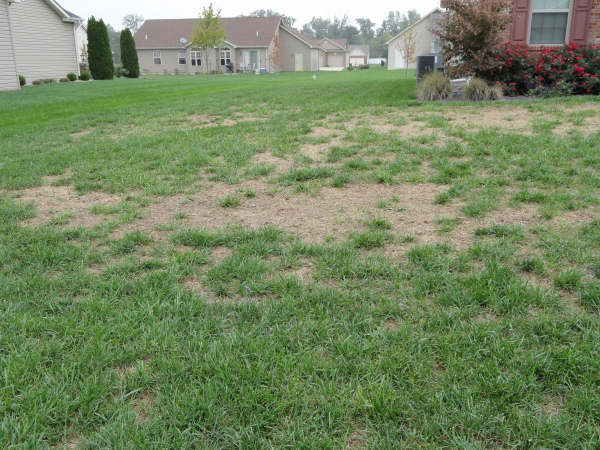
To identify grub damage in Illinois lawns, look for irregular, dying brown patches of grass in late summer or early fall. Affected turf feels spongy when you walk on it because the pests destroy the root system. Consequently, you can easily roll the damaged grass back like a piece of newly laid carpet. Increased wildlife activity is another major warning sign. Animals like raccoons, skunks, and birds will frequently dig up your yard to feed on the pests. A simple shovel test confirms their presence by revealing white, C-shaped larvae just below the soil surface.
What do lawn grubs look like under the soil?
Lawn grubs look like milky-white, plump, C-shaped larvae with distinct brown heads and six tiny legs near their front section. Most importantly, these subterranean pests curl tightly into a ball when you disturb them or expose them to open light. Their size typically ranges from half an inch to a full inch in length depending on their current stage of development. You will rarely find them walking on top of the soil because they feed entirely on underground organic matter.
What are the main signs of grub activity?
Recognizing the early warning signs of these pests can save your turf from expensive, long-term destruction. Lawn damage typically progresses through several clear, visible stages as the pests mature.
Why does the grass feel spongy?
Spongy turf indicates that insects have already consumed the underlying root structure. Healthy grass roots anchor the turf firmly to the soil. However, these pests chew through those roots continuously. Walking across an infested area feels remarkably like stepping on a soft, padded indoor rug.
Why is the grass turning brown in late summer?
Brown patches appear because the grass can no longer absorb water or vital nutrients without its roots. This specific browning typically begins in August and accelerates through September across Illinois. Homeowners often mistake this issue for drought stress or summer dormancy. Therefore, you must check the soil directly rather than just adding more water.
Why are animals digging up the yard?
Skunks, raccoons, moles, and birds view these subterranean larvae as an excellent, protein-rich food source. If your yard looks like it was clawed or dug up overnight, you are likely to have a severe infestation. These predators cause massive secondary destruction while hunting for their next meal.
How does the carpet test help identify damage?
Healthy grass resists upward pulling because a strong root system holds it firmly in place. Conversely, damaged turf detaches from the soil with almost no resistance. You can literally grab a handful of green or yellow grass and pull it upward in large sheets. This clean separation confirms that an underground pest has severed the biological connection to the earth.
How do you perform a grub test?
The best way to confirm an infestation is to dig directly into the affected soil. Fortunately, this diagnostic process requires only a few minutes and a standard garden spade.
- Locate the border: Find a spot directly between the dead brown grass and the healthy green turf.
- Cut a square: Use your spade to slice a one-square-foot section of turf approximately three inches deep.
- Roll it back: Pull the grass roll upward carefully to expose the soil and root zone underneath.
- Count the larvae: Inspect the exposed dirt and count the number of white, C-shaped pests you see.
If you count more than six to ten larvae within that single square foot, you must apply a targeted lawn treatment. Fewer numbers generally do not require chemical intervention because a healthy lawn can tolerate minor root loss.
When does grub damage happen in Illinois lawns?
Timing matters because these insects follow a very strict, seasonal life cycle in the Midwest. In the spring, surviving larvae wake up and rise to the surface, causing minor thinning that healthy grass quickly outgrows. By early summer, these pests turn into adult beetles and fly away to feed on ornamental plants.
The real danger begins in late summer when new eggs hatch into hungry, aggressive larvae. Consequently, August and September represent the peak damage windows for homeowners across the state. The larvae feed heavily to build energy before burrowing deep below the frost line for winter.
How can you prevent future grub infestations?
Maintaining a thick, robust lawn provides the best natural defense against beetle infestations. Adult beetles prefer to lay their eggs in thin, short grass growing in overly moist soil.
First, adjust your lawnmower to cut at a higher setting of three to four inches. Taller grass blades promote deeper, stronger root systems that can survive minor insect feeding. Second, water your lawn deeply and less frequently to encourage those deep roots. Avoid light, daily watering because it keeps the topsoil consistently wet. Most importantly, apply a preventative lawn treatment in early summer to eliminate the newly hatched larvae before they cause harm.
Key Takeaways: How to identify grub damage in Illinois lawns
- Check the texture: Spongy turf that lifts easily like a carpet indicates severe root damage from subterranean pests.
- Watch for wildlife: Raccoons, skunks, and birds digging up your grass are strong indicators of an underlying insect infestation.
- Perform a shovel test: Dig up a one-square-foot patch of grass; counting more than six to ten larvae confirms you need a treatment plan.
- Monitor the season: Peak damage occurs in Illinois between August and October when newly hatched larvae feed aggressively.