What Are Lawn Weeds Telling You About Your Soil?
Lawn weeds act as natural diagnostic tools that reveal underlying soil health, compaction, and drainage issues. Most homeowners view weeds as random, unwanted invaders. However, weeds actually thrive where turfgrass struggles. Specific weed species appear in areas with poor oxygen, missing nutrients, or excessive moisture. Consequently, treating weeds with chemical sprays only addresses the surface symptom. To eliminate weeds permanently, you must fix the root soil conditions that allowed them to sprout in the first place.
Why Do Weeds Grow in Compacted Soil?
Compacted soil starves grass roots of water and oxygen while creating an ideal growing environment for tough, opportunistic weeds. Turfgrass requires loose soil to spread deep roots and absorb necessary hydration. Conversely, low-oxygen environments do not hinder stubborn weeds.
What Weeds Signal Unhealthy, Compacted Soil?
Broadleaf plantain signals severely compacted, nutrient-poor soil that lacks adequate oxygen. Plantain roots easily penetrate dense, heavy soil where grass roots suffocate. Therefore, widespread plantain growth indicates your lawn urgently needs professional aeration to restore soil airflow.
What Weeds Grow in Fertile But Compacted Soil?
Henbit, chickweed, and thistle indicate nutrient-rich soil that suffers from severe compaction and thin grass coverage. These weeds prefer fertile ground, yet they outcompete turfgrass when heavy soil prevents strong grass root development. Consequently, introducing fresh seed alongside aeration helps grass crowd out these weeds.
What Do Weeds Reveal About Poor Soil Fertility?
Weeds thriving in sparse turf signal that your soil lacks the primary nutrients necessary for healthy lawn growth. Turfgrass requires 17 essential nutrients to build strong roots and lush blades. In contrast, hardy weeds survive easily in depleted soil conditions.
Why Does Clover Take Over Low-Nutrient Lawns?
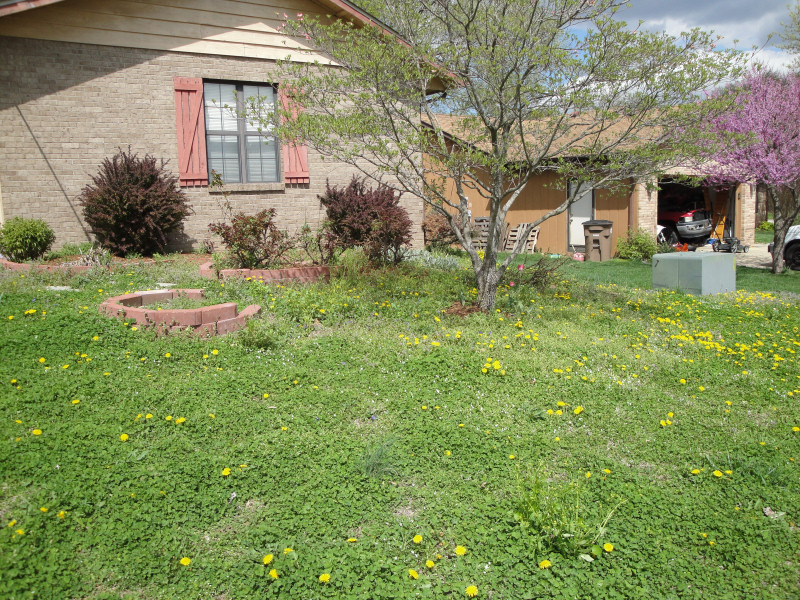
Clover indicates that your soil lacks sufficient nitrogen levels needed for grass growth. Because clover pulls nitrogen directly from the atmosphere, it quickly spreads across nutrient-starved soil. Consequently, increasing lawn nitrogen levels helps turfgrass outcompete clover naturally.
How Does Poor Drainage Cause Lawn Weeds?
Poor drainage creates constantly damp soil conditions that kill turfgrass roots and encourage water-loving weeds to take root. Micro-slopes and slight soil depressions trap runoff water for extended periods. Most grass species rot in standing water, whereas invasive weeds flourish in saturated environments.
Why Does Nutsedge Grow in Wet Spots?
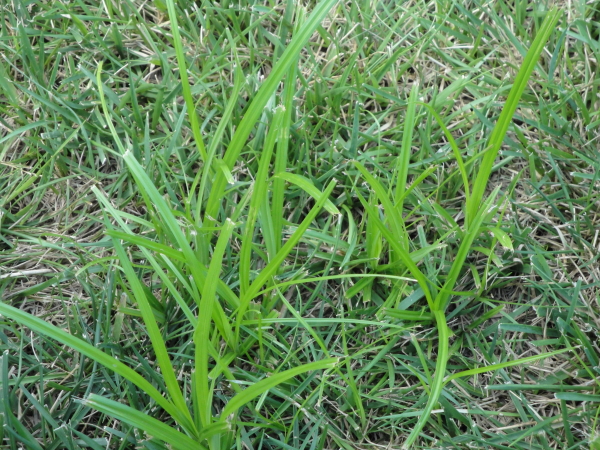
Nutsedge indicates poor drainage and persistent standing water in low-lying lawn areas. This aggressive, grass-like weed develops specialized tubers that thrive in soggy, airless soil. As a result, fixing water pooling is essential for controlling nutsedge long-term.
What Does Spotted Spurge Say About Water Runoff?
Spotted spurge signals localized drainage issues where water frequently strips away topsoil nutrients. Spurge forms low, mat-like webs across wet, bare patches caused by erosion. Consequently, correcting runoff paths helps prevent spurge infestations every summer.
How Can You Fix Lawn Conditions to Prevent Weeds Naturally?
You can prevent weeds naturally by aerating compacted ground, balancing soil nutrients, and improving lawn drainage. Addressing root causes starves weeds of light and space.
Why Is Annual Core Aeration and Overseeding Essential?
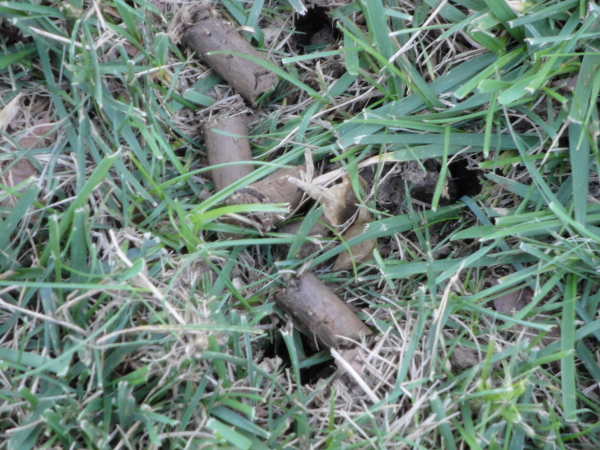
Core aeration relieves soil compaction by pulling hollow plugs of dirt from your lawn to open pathways for air and water. Overseeding immediately fills those open spaces with young, vibrant grass roots. Consequently, a dense, thick lawn chokes out invading weed seedlings automatically.
Why Should You Perform a Routine Soil Analysis?
A soil analysis identifies exact nutrient deficiencies and pH imbalances before lawn health deteriorates completely. Testing poor soil annually allows you to apply targeted lime or fertilizers. Therefore, routine soil testing eliminates guesswork and keeps grass competitive against weeds.
How Do You Correct Lawn Drainage Problems?
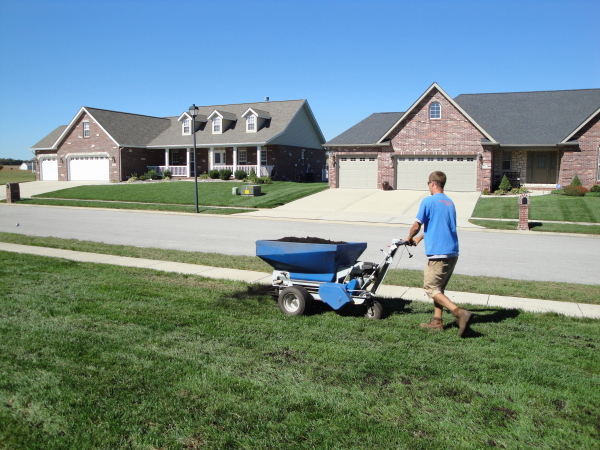
You fix lawn drainage issues by filling low spots with topsoil or installing underground drain lines. Adding topsoil Levels minor depressions to eliminate standing water pools. Furthermore, French drains effectively redirect heavy runoff away from vulnerable turf areas.
Key Takeaways: What Weeds Tell You About Your Soil
- Weeds reflect soil health: Specific weeds highlight hidden problems like dense soil, low nitrogen, or poor drainage.
- Compaction favors broadleaf weeds: Aeration loosens hard soil so turfgrass can outgrow weeds like plantain and thistle.
- Nutrient fixes stop opportunists: Balancing soil nutrients helps grass thrive and naturally chokes out clover and crabgrass.
- Drainage control stops water weeds: Leveling low spots stops recurring infestations of nutsedge and spotted spurge.