What Is a Soil Analysis and Why Does Your Lawn Need It?
A soil analysis is a specialized diagnostic test that measures the precise nutrient levels, pH balance, and organic matter content within your lawn's dirt. This process is necessary because hidden nutrient deficiencies or chemical imbalances below the surface directly cause bare spots, dull colors, and chronic lawn diseases. By pulling small soil plugs from across your yard and analyzing them in an independent laboratory, lawn care professionals can pinpoint exact subterranean issues. Consequently, this data allows you to apply precise soil amendments, save money on fertilizer treatments, and establish a healthy foundation for long-term grass growth.
Why Is Soil Analysis Necessary for Your Lawn?
Soil analysis is necessary because it uncovers the hidden underground imbalances that directly cause surface-level problems like bare spots, discoloration, and lawn diseases. Many homeowners assume their soil chemistry is perfectly fine if the grass looks green. However, serious nutrient deficiencies often develop long before your lawn shows visible signs of distress.
Taking a proactive approach prevents minor issues from turning into costly lawn disasters. When your grass begins to thin or struggle with recurring fungal infections, the root cause almost always lies beneath the surface. For example, a lawn that refuses to grow new grass seed despite proper watering usually suffers from a chemical imbalance.
Therefore, testing your soil before applying additional treatments ensures you do not waste time and money. A comprehensive health check tells you exactly what your grass needs to thrive. It completely removes the guesswork from a seasonal lawn care routine.
What Is the Actual Process of a Soil Analysis?
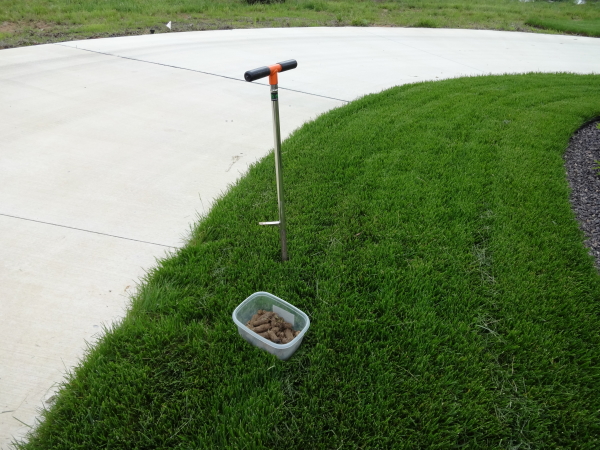
The process of a soil analysis involves extracting multiple physical core samples from across your yard, blending them together, and testing the mixture in a certified laboratory. Lawn technicians use a specialized tool to pull small plugs of dirt from various areas of your property. This strategy ensures the final test results represent the overall condition of your entire yard.
Once a lawn care technician collects these plugs, they allow the dirt to dry out completely. Next, they break up the hardened plugs and thoroughly mix the soil together into a single, uniform sample. This combined sample then goes to an independent laboratory for highly detailed scientific testing.
The lab technicians screen the dirt to check for specific macro and micronutrient levels. This detailed breakdown gives a clear picture of what is happening in your root zone. Ultimately, this simple procedure provides the exact roadmap needed to optimize your lawn care strategy.
What Are the Most Critical Results in a Soil Analysis Report?
The two most critical metrics in a soil analysis report are the pH level and the percentage of organic matter. While labs check many different secondary nutrients, these two specific areas cause the most severe lawn problems when their levels drift out of balance. They serve as the foundation for all other chemical reactions in your yard.
Why Does the Soil pH Level Matter So Much?
The soil pH level matters because it dictates whether your grass roots can absorb the nutrients present in the dirt. The scientific pH scale ranges from 0 to 14, where 7.0 represents a perfectly neutral environment. Turfgrass in our local region thrives best when the soil is slightly acidic, falling specifically between 6.5 and 6.8.
When your pH drops below 6.5, the soil becomes too acidic, which locks up vital nutrients like phosphorus. Conversely, a pH reading above 7.0 means your soil is alkaline, which prevents the grass from absorbing iron and manganese. Therefore, even if you apply the best fertilizer on the market, your grass will starve if the pH level remains incorrect.
Why Is Organic Matter Percentage Crucial for Lawn Health?
Organic matter percentage is crucial because it acts as a natural reservoir that stores and releases essential nutrients back into the root system. It also improves soil structure, helps the ground retain water, and feeds beneficial microorganisms. The ideal percentage for healthy lawn soil is anything above 4%.
Unfortunately, most local lawns drop significantly below this benchmark, usually landing in the 1.5% to 2.0% range during their first analysis. Building up this percentage takes consecutive years of consistent, deliberate care. Raising this number transforms hard, unproductive dirt into a rich, spongy ecosystem that naturally resists droughts and heavy foot traffic.
How Do You Correct Unbalanced Soil Nutrient Levels?
You correct unbalanced soil nutrient levels by applying targeted professional amendments that directly address the specific deficiencies or excesses highlighted in your lab report. You must never add heavy amendment products to your yard without running a proper diagnostic test first. Blindly guessing can accidentally ruin your soil chemistry and kill your grass roots.
If your report reveals that your soil is too acidic, you must apply pelletized lime to raise the pH back to an optimal range. On the other hand, if your yard tests as highly alkaline, adding elemental sulfur will safely lower the pH. To boost your organic matter percentages over time, you can top-dress the yard with high-quality compost or rich organic fertilizers.
Working closely with a local professional ensures you use the correct product rates for your specific property. Customized applications prevent chemical burns and ensure your lawn receives the exact support it needs. Consequently, your soil transforms into a perfect growing environment.
How Often Should You Schedule a Professional Soil Analysis?
You should schedule a professional soil analysis at least once every 3 to 5 years to maintain an accurate baseline of your yard's underground health. However, if your initial test shows highly distorted nutrient values or severe pH imbalances, you must test the ground annually until the levels stabilize. Regular testing tracks how well your yard responds to seasonal amendments.
Routine checks ensure that you catch shifting chemical trends before they manifest as ugly brown patches on your grass. Keeping a consistent schedule also saves money by preventing the over-application of unnecessary products. Think of it as a recurring medical checkup for the physical foundation of your property.
Key Takeaways: Soil Analysis
- Unlocks Trapped Nutrients: Maintaining a slightly acidic pH level between 6.5 and 6.8 allows your grass roots to successfully absorb essential food from the dirt.
- Identifies Core Issues Early: Testing your soil uncovers hidden underground chemical imbalances before they cause visible bare spots, dull colors, or lawn diseases.
- Prevents Treatment Guesswork: Professional analysis ensures you apply the correct amendments, like lime or sulfur, preventing accidental damage from unneeded products.
- Measures Total Soil Vitality: Advanced testing checks organic carbon, aggregate stability, and respiration to verify if your yard is ready for aeration and seeding.
- Requires Consistent Monitoring: Homeowners should test their soil every 3 to 5 years for general maintenance, or annually if correcting severe nutrient distortions.