What Is Summer Patch and How Do You Get Rid of It?
Summer patch is a destructive turf disease caused by the soil-borne fungus Magnaporthe poae, which attacks the roots of cool-season grasses during hot, humid weather. The disease creates unsightly brown patches, rings, or crescent shapes in lawns, primarily targeting Kentucky bluegrass and annual bluegrass between June and September. You can successfully treat and prevent summer patch by adjusting your lawn's pH level, improving soil drainage through annual aeration, shifting to disease-resistant turf like tall fescue, and applying targeted preventative fungicides during peak heat.
What Is Summer Patch Lawn Disease?
Summer patch is a damaging fungal infection that primarily destroys the root systems of cool-season lawns. Most importantly, this disease focuses its attacks on Kentucky bluegrass and annual bluegrass. The fungus actively destroys the roots, which prevents the grass from absorbing vital water and nutrients. Consequently, you will notice the visible damage above ground during the hottest months of the year.
What Does Summer Patch Look Like?
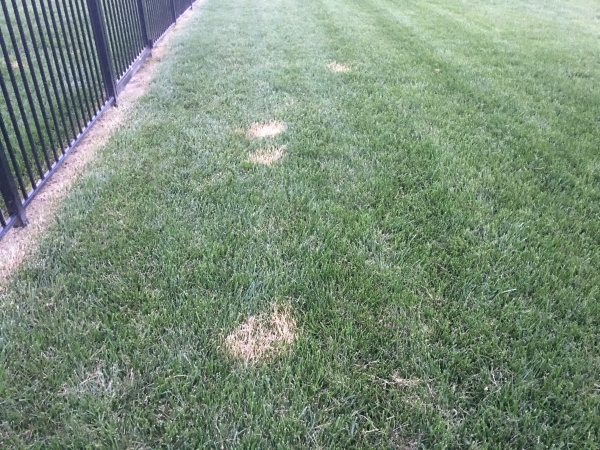
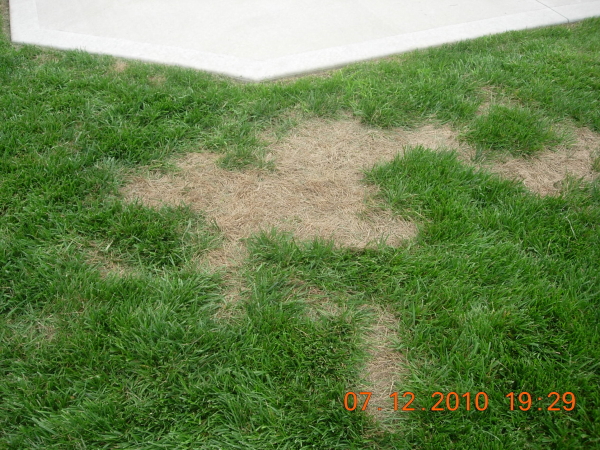
This disease appears as irregular patches, distinct rings, or crescent shapes of dead, straw-colored grass. These damaged spots typically measure less than 10 inches in diameter. However, multiple small patches can quickly merge into large, unsightly areas of dead turf. The center of the ring sometimes remains green, which creates a striking "frog-eye" appearance in your yard.
When Does This Disease Strike Your Lawn?
You will generally see the visual symptoms emerge between June and September. The fungal pathogen actively infects the root system much earlier in the spring when soil temperatures reach 65°F. However, the grass only shows distress later when summer heat and drought put severe stress on the weakened roots.
What Causes Summer Patch to Develop?
High heat and extreme humidity cause the summer patch fungus to rapidly wake up and attack your turf. The underlying fungal pathogen always lives in your soil without causing visible damage. It only transforms into an active threat when environmental conditions become perfectly favorable for its growth.
What Temperature and Weather Factors Trigger the Fungus?
Extended periods of high humidity combined with daytime temperatures above 82°F trigger this disease. Hot weather places heavy stress on cool-season grasses while simultaneously accelerating the growth of the fungus. Therefore, consecutive days of muggy summer heat create the ultimate danger zone for your lawn.
How Does Soil Condition Impact the Disease?
Poor air circulation, compacted soil, and excessive moisture directly contribute to severe outbreaks. Heavy foot traffic compacts the dirt and suffocates the root system. Concurrently, poor drainage traps water around the roots, creating a breeding ground for fungal pathogens.
Why Does Your Soil pH Level Matter?
A high soil pH level significantly increases the likelihood of a summer patch outbreak. Lawns growing in soil with a pH higher than 6.0 are far more prone to this specific disease. For this reason, we highly recommend performing a professional soil analysis to discover your exact numbers.
How Do You Treat and Prevent Summer Patch?
You can treat summer patch effectively by combining proper lawn care practices with targeted soil adjustments. Achieving a healthy lawn requires a multi-step approach that fixes the root environmental causes. Patience remains crucial because curing a damaged lawn takes time.
Why Should You Switch to Disease-Resistant Grass?
Overseeding your lawn with disease-resistant grass types like tall fescue provides the best long-term protection. Fescue grasses naturally resist the summer patch fungus. Introducing these hardy varieties permanently strengthens your lawn against future seasonal outbreaks.
How Should You Adjust Your Watering and Fertilizer Schedules?
You must adopt a deep, infrequent watering regime and stick to a balanced fertilization schedule. Water your lawn deeply in the early morning to allow the blades to dry before nightfall. Additionally, avoid heavy applications of high-nitrogen fertilizer during the hot summer months, as excessive nitrogen fuels fungal growth.
How Does Lawn Aeration Help?
Core aeration eliminates compacted soil and significantly improves vital airflow to the root system. You should aerate your lawn every single year, especially in heavy traffic areas. This simple practice loosens the earth and allows roots to breathe and drain properly.
When Are Chemical Fungicides Necessary?
Severe cases of summer patch require professional chemical fungicide applications to halt the damage. These treatments can become quite costly because you must apply them every 3 to 4 weeks during the risk window. Furthermore, these applications require high amounts of water to wash the active ingredients down into the root zone.
Key Takeaways: Summer Patch
- Target Varieties: The disease primarily destroys Kentucky bluegrass and annual bluegrass during hot weather.
- Environmental Triggers: Sustained heat above 82°F, high humidity, compacted soil, and a pH above 6.0 accelerate the infection.
- Cultural Solutions: Annual core aeration, deep morning watering, and reduced summer nitrogen protect the root zone.
- Long-Term Prevention: Overseeding vulnerable yards with turf-type tall fescue builds permanent genetic resistance.