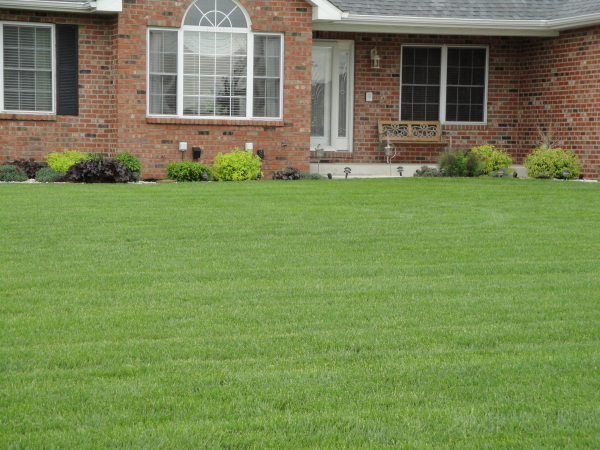

How Can You Keep Your Lawn Green and Healthy All Summer?
Summer heat and intense drought place extreme stress on your lawn. To keep your grass green and resilient, you must adjust your seasonal maintenance routine immediately. This requires raising your mower height to protect the root system, watering deeply but infrequently during the early morning hours, and avoiding harsh synthetic fertilizers that burn heat-stressed turf. Additionally, you must decide early whether to let cool-season grasses enter natural dormancy. Following these strategic summer lawn care steps protects your soil moisture, prevents common lawn diseases, and helps your grass survive the harshest summer months successfully.
Why Should You Avoid Synthetic Fertilizers and Heavy Weed Control in the Summer?
Synthetic fertilizers will quickly burn your turfgrass during intense summer heatwaves. Therefore, you should only apply organic fertilizers to your lawn during the hot summer months because they break down safely without scorching the grass blades.
High temperatures also make chemical weed killers much more volatile. Consequently, applying blanket weed control in mid-summer can accidentally damage or kill your surrounding grass. To prevent this, professional lawn care technicians exclusively spot-treat individual weeds during this time of year. This targeted approach eliminates weeds while keeping your heat-stressed grass perfectly safe.
What Is the Best Way to Mow Your Lawn During the Summer?
You should raise your mower deck to its absolute highest setting during the summer. Taller grass blades naturally shade the soil underneath, which slows down water evaporation and keeps the root zone cool. Most importantly, make sure your mower blades are extremely sharp so they slice the grass cleanly instead of tearing it.
Never remove more than one-third of the total grass height during a single mowing session. Tearing the grass or cutting it too short weakens the plant and invites disease. Mowing high forces the grass to develop a deeper, denser root system that easily tolerates extended drought conditions.
When and How Much Should You Water Your Summer Lawn?
The best time to water your lawn or run your sprinkler system is early in the morning. Morning watering allows the grass blades to dry quickly in the sun, which eliminates the risk of fungal diseases setting in overnight.
You should water your lawn deeply and infrequently, aiming for 1 to 1.5 inches of water per week. Shallow, daily watering creates weak, lazy roots that cannot survive intense heatwaves. If you are unsure whether your soil is too dry, try pushing a screwdriver into the ground. If you cannot easily pierce the soil six to eight inches deep, your lawn needs an immediate watering session.
How Should You Handle Summer Lawn Dormancy?
You must let cool-season grasses like fescue and bluegrass go brown and dormant naturally if you decide not to water them. Dormancy is a built-in defense mechanism that helps these specific grass types survive hot, dry conditions.
Once your lawn enters a dormant state, you must stop all fertilization and heavy watering until the cooler fall growing season arrives. Forcing a dormant lawn to wake up during a drought stresses the plant heavily. This unnecessary stress burns through the grass's conserved energy reserves and can permanently kill the lawn.
Key Takeaways: Summer Lawn Care Tips
- Mow at the highest setting: Keeping grass tall shades the soil and promotes deep, drought-resistant roots.
- Water deeply in the morning: Apply 1 to 1.5 inches of water early in the day to prevent evaporation and fungal diseases.
- Switch to organic fertilizer: Avoid synthetic products and blanket weed sprays to prevent chemical burning during heatwaves.
- Respect natural dormancy: Let cool-season grasses stay brown during drought rather than forcing them to grow with extra water.