Why should you consider aeration and seeding for your lawn?
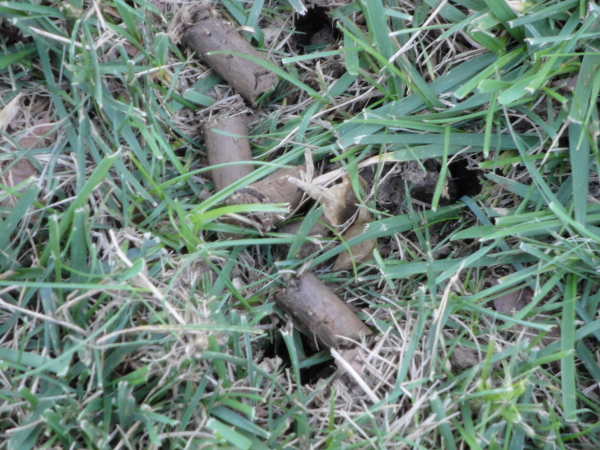
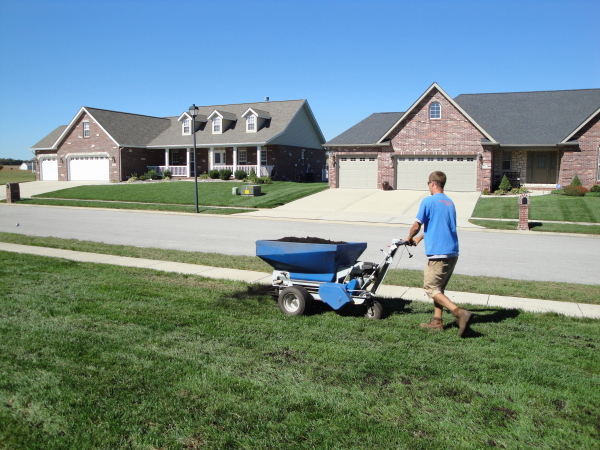
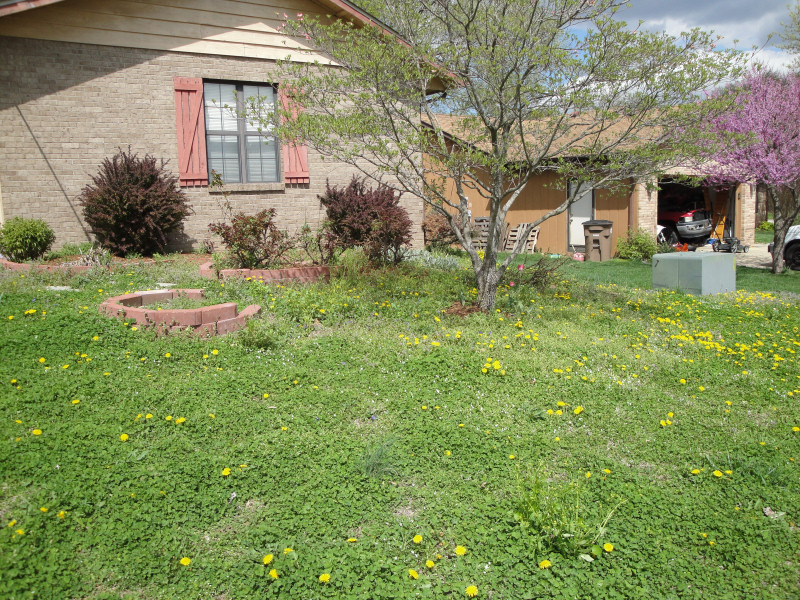
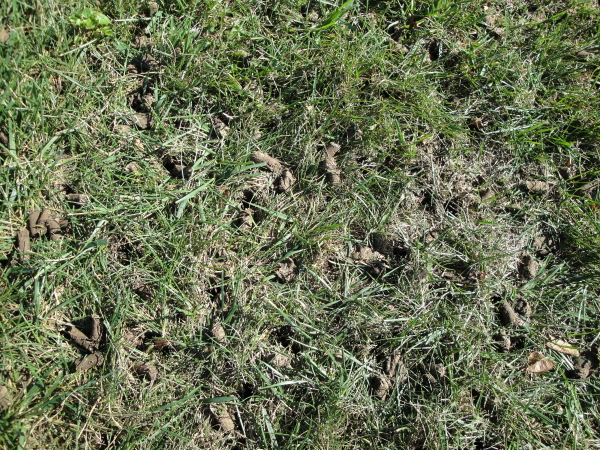
Fall is the absolute best time of year to get your yard back in shape because cooler temperatures and autumn rainfall provide the perfect environment for turf recovery. Over the summer, heavy foot traffic, scorching heat waves, and limited rainfall severely stress your grass, leading to compacted soil and thin, bare areas. Core aeration relieves this compaction by pulling soil plugs out of the ground, which allows water, air, and vital nutrients to reach the roots easily. When you pair this with high-quality overseeding, you fill in those weak patches and bring lasting vigor back to your lawn.
When is the best time to aerate and seed?
The ideal window to schedule these services is during the early fall season. Because the intense heat of August begins to break, your grass transitions into a period of rapid root development. Consequently, planting new seeds in September or October gives the young grass plants plenty of time to mature before winter temperatures arrive.
Moisture levels are naturally superior during the autumn months as well. Regular rainfall assists the germination process significantly without requiring constant, heavy watering on your part. Ultimately, selecting this specific seasonal window ensures your lawn completely recovers from severe summer stress.
How do you find a reputable lawn care professional?
You can identify trustworthy service providers by checking their business history and customer reviews through reliable consumer protection organizations. For starters, we highly recommend visiting the Better Business Bureau website at www.bbb.org before you contract any local company.
Evaluating providers beforehand is necessary because the true results of their work will not become visible for several weeks or months. Unfortunately, while some experts provide top-notch service, other operators simply try to make a quick buck on the side. Therefore, doing your homework early prevents stressful hiring mistakes.
What questions should you ask about aeration equipment?
You need to ask potential contractors whether they utilize a core aerator or a spike aerator to perform the job. This distinction matters because a spike aerator merely creates narrow holes in the dirt, which pushes the surrounding soil together and increases compaction over time.
A professional core aerator pulls physical plugs or cores directly out of the ground. Removing these cylinders opens real pathways for airflow and root expansion. Most importantly, you should ask if their machines rely on pure mechanical weight or active hydraulic pressure. Hydraulic pressure is far superior for our local clay soil conditions because it possesses the force required to punch through tough earth and extract ideal cores.
Why does grass seed quality vary between providers?
The exact blend of seed a contractor selects will ultimately create the biggest difference in your results. Surprisingly, most homeowners never think about asking what type of seed their chosen service provider is putting down.
Our specific local region relies heavily on three main cool-season turfgrass varieties:
- Kentucky Bluegrass: Known for its deep color and self-healing spreading habits.
- Tall Fescue: Prized for its incredible drought tolerance and deep root systems.
- Perennial Ryegrass: Valued for rapid germination speeds and great wear resistance.
Because each variety has distinct advantages and disadvantages, a true expert must explain their specific mixture choices clearly. They will evaluate your lawn's unique shade, soil, and moisture levels before selecting a blend.
Why does grass seed quality vary between providers?
The exact blend of seed a contractor selects will ultimately create the biggest difference in your results. Surprisingly, most homeowners never think about asking what type of seed their chosen service provider is putting down.
Our specific local region relies heavily on three main cool-season turfgrass varieties:
- Kentucky Bluegrass: Known for its deep color and self-healing spreading habits.
- Tall Fescue: Prized for its incredible drought tolerance and deep root systems.
- Perennial Ryegrass: Valued for rapid germination speeds and great wear resistance.
Because each variety has distinct advantages and disadvantages, a true expert must explain their specific mixture choices clearly. They will evaluate your lawn's unique shade, soil, and moisture levels before selecting a blend.
Why should you avoid cheap retail grass seed?
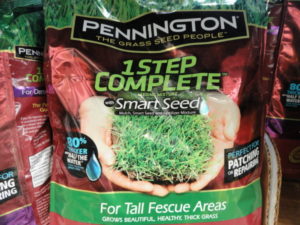
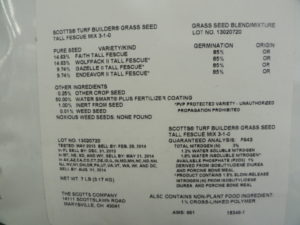
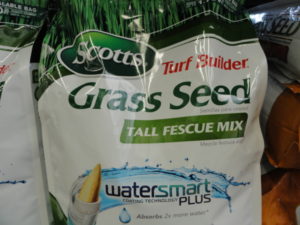
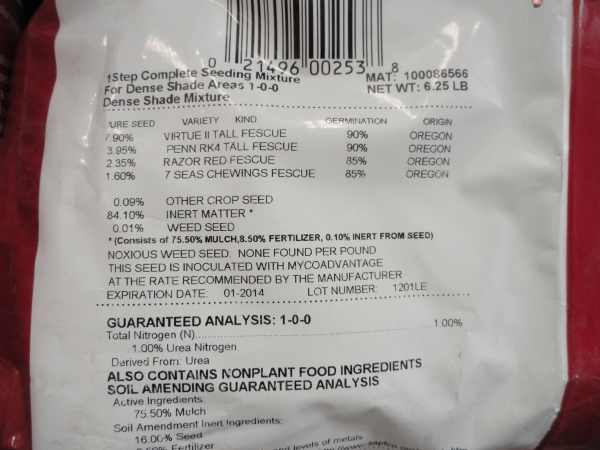
You should avoid purchasing retail grass seed because mass-market brands typically contain high percentages of filler material, weed seeds, and inert matter. While big-box retail locations are great for buying standard yard tools or general gardening supplies, their seed blends rarely meet professional standards.
If you look closely at the mandated ingredient label on a standard retail bag, you will often find shocking details. A massive portion of the bag's total weight consists of non-seed coatings, mulch, or low-quality varieties that introduce weeds to your yard. Consequently, investing in premium, professional-grade seed blends is the only way to guarantee a thick, clean, and disease-resistant lawn.
Key Takeaways: Aeration and Seeding
- Timing matters: Early fall provides the perfect temperature drop and natural moisture required for deep root development and rapid seed germination.
- Demand core aeration: Never allow a provider to use spike aerators, as they worsen soil compaction; instead, require heavy hydraulic core aerators that lift clean soil plugs.
- Inspect the seed label: Avoid cheap retail seed blends packed with filler and weed seeds, and choose high-quality Bluegrass, Fescue, or Ryegrass mixes adapted to local clay.
- Check your contractor: Protect your property investment by checking business ratings on www.bbb.org to distinguish professional companies from amateur side-hustlers.